GTC 2026: Agents Are Here. Trust is MIA.
As agents rise the trust gaps widens. Owning the decision layer is the new battleground.
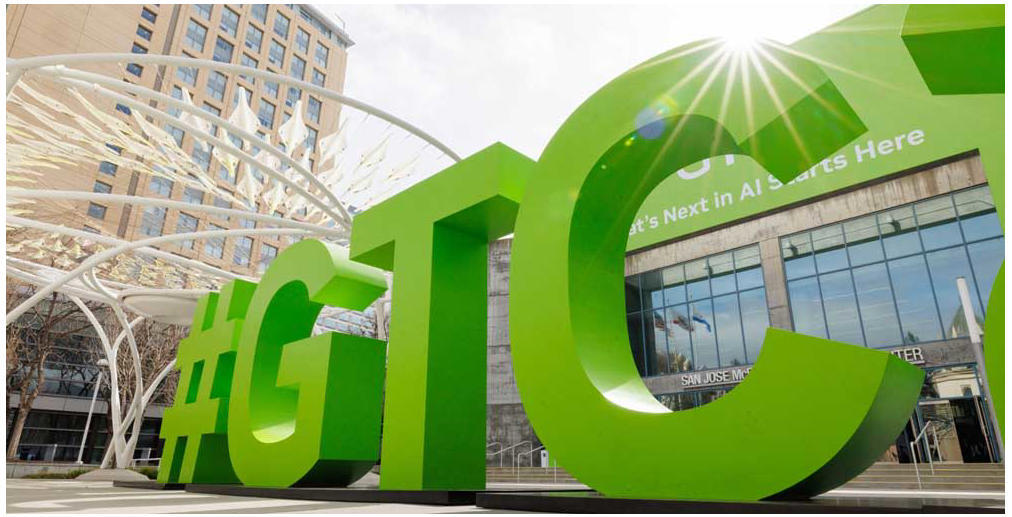
I just got back from NVIDIA GTC and our Axonis Happy Hour with Vultr, Protopia, GovSmart and HebronSoft. The energy was electric, and the candid chats with customers, partners, and peers really crystallized the enterprise AI landscape for me. A huge thank you to everyone who joined, shared insights, and pushed the conversation forward, it made these events unforgettable.
If you followed the headlines from GTC, you saw the expected themes: faster compute, new chips, AI factories, and increasingly powerful models. NVIDIA’s own announcements reinforced this, from the Vera Rubin platform to new AI factory reference architectures designed to scale “intelligence production” across industries.
But on the ground, in the real conversations happening between operators, builders, and enterprise leaders, a different story emerged.
This isn’t about better models.
It’s about what happens when AI starts taking action and making decisions.
Agents Dominate The Conversation
Walking the GTC floor, it was striking: GenAI and RAG were relics of last year, while agents and agentic AI stole the show. In side discussions, folks raved about how agents transform chatbots into proactive systems that orchestrate workflows, weigh options, and execute across tools, delivering true productivity gains.
That shift is not theoretical. NVIDIA explicitly centered GTC around “agentic systems,” alongside open models and physical AI, signaling that the industry is moving beyond generation into execution.
The real talk was around platforms that make this safe and traceable, from data gates to outcome logging. And that’s the key shift.
We’ve moved from systems that answer questions to systems that take action. Once AI is acting on behalf of the enterprise, the requirements change completely. It’s no longer about output quality alone. It’s about control, traceability, and accountability.
Decision Observability Fills A Vital Gap
Over coffee at GTC and beers at the Happy Hour, the pain point kept surfacing: software used to be rule-based and reliable, but agents introduce fuzzy judgments with no audit trail. You end up with outcomes minus the story, what data shaped the call or why one path beat another.
The industry is starting to respond. NVIDIA introduced new tooling like OpenShell, designed to enforce policy, security, and privacy guardrails for autonomous agents, along with explainability layers to help understand how outputs are generated. That’s a critical step forward. But it doesn’t fully solve the problem.
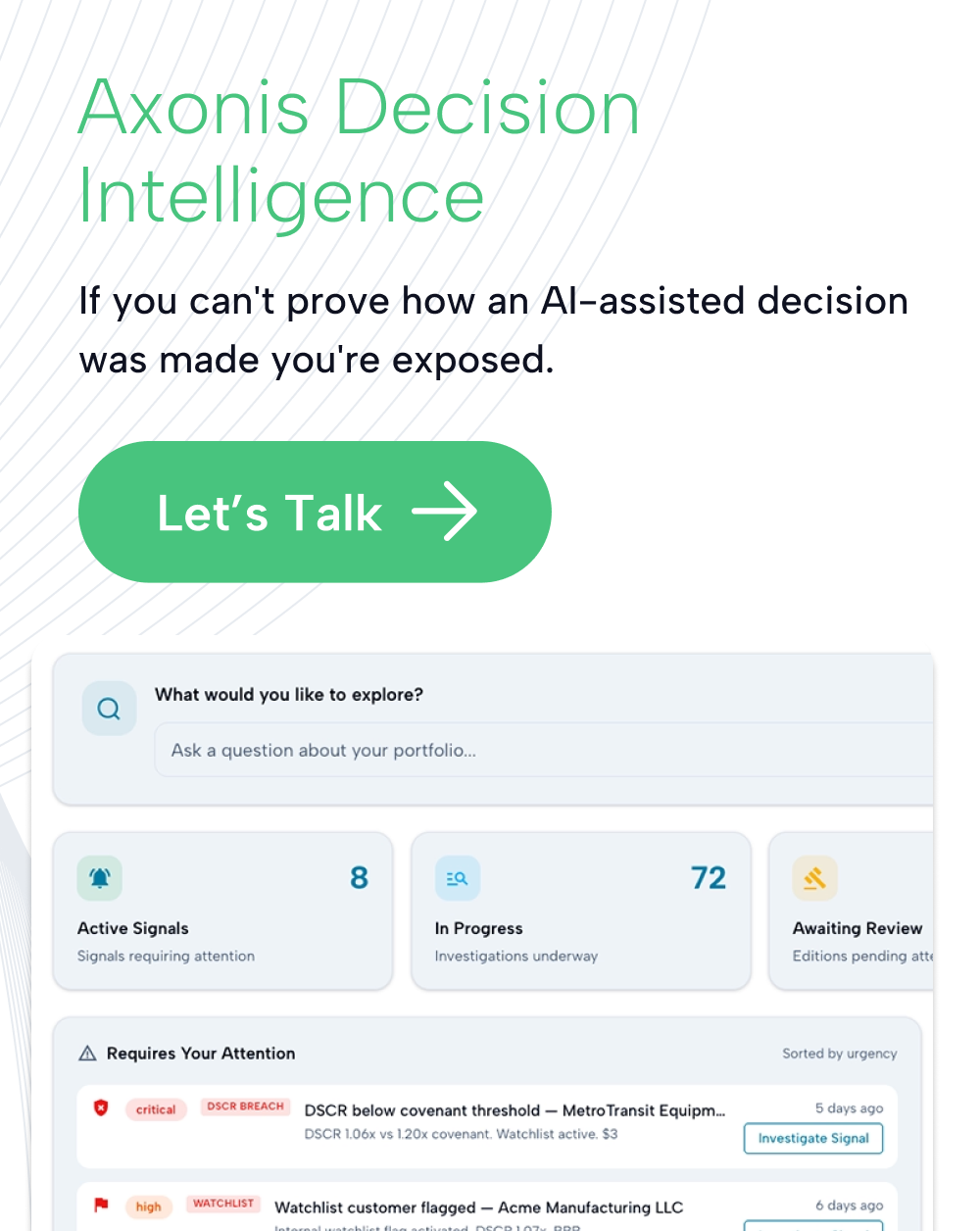
Decision observability changes that, logging inputs, choices, and actions to turn every decision into analyzable data for refinement. With regulators circling and teams chasing efficiency, it is becoming essential, much like CRM captured relationships or warehouses unlocked analytics, now for agent-powered moves.
Because guardrails tell you what should happen.
Decision observability tells you what actually did happen and why.
And in an enterprise setting, that difference matters.
Sovereign AI Momentum Builds
Partners and customers at both events highlighted sovereign AI as a breakout theme, with enterprises eager to reclaim control over models, data, context, and decisions.
Announcements about on-premise inference repatriation were everywhere, signaling a pivot from cloud-only bets.
NVIDIA reinforced this direction as well, with support for hybrid, edge, and local-first deployments, including systems designed to run AI closer to where data lives.
This is more than a deployment preference. It’s a control strategy.
Federated systems that secure data in place, apply smart access rules, and enable closed-loop learning stood out in these talks as the right fit.
Enterprises are realizing that sovereignty isn’t just about where data sits. It’s about who owns the full lifecycle:
- the data
- the model
- the context
- and ultimately, the decision
Enterprise AI Adoption Lags, Opportunity Awaits
Chatting with inference cloud leaders, the numbers told the story: GPUs flow mostly to AI natives like Anthropic and Meta, Web2 powerhouses such as Uber and Amazon, and nimble finance players. Traditional enterprises? Largely piloting Copilot or chat interfaces, with little heavy lifting yet.
There’s a growing gap between what the infrastructure can support and what enterprises are actually deploying. NVIDIA is building AI factories capable of generating intelligence at a massive scale. But most enterprises are still experimenting at the interface layer. This gap is the goldmine, particularly for regulated industries craving secure scale.
Because the blocker isn’t access to AI anymore. It’s trust in how it operates.
Full-Stack Coverage For Agents
The deepest dives circled the agent ecosystem, where bridging data to AI and capturing decisions back is make-or-break. Attendees sketched how layers for federation, granular security, decision context, training, inference, and model flexibility knit together for real impact.
NVIDIA’s announcements reflected this full-stack push, from infrastructure to runtime to orchestration. But what became clear in conversations is that stitching these layers together is where most organizations struggle. Fragmented tools hit walls; end-to-end coverage from data ingress to decision flywheels unlocks the potential. Because agents don’t operate in isolation.
They depend on:
- distributed data
- multiple models
- evolving policies
- and continuous feedback
Without a system that connects those layers and captures the decisions flowing through them, enterprises lose continuity.
And without continuity, there’s no learning.
The Next Battleground: Owning the Decision Layer
GTC made a few things clear in this fast moving industry:
- Agents are becoming the application layer
- Infrastructure is scaling intelligence quickly
- Sovereign AI is reshaping deployment models
- Decisions are the output of agents, and there is a trust gap today
Enterprise AI is evolving fast, and owning the decision layer will separate leaders and bridge the trust gap. The real advantage won’t come from who has the best model. It will come from who owns, understands, and improves the decisions those systems make.
Need better control over your AI-assisted decisions? Talk to us.
Image source: NVIDIA